Rajasthan Hikes Rooftop Solar Tariffs to Encourage Clean Energy Adoption
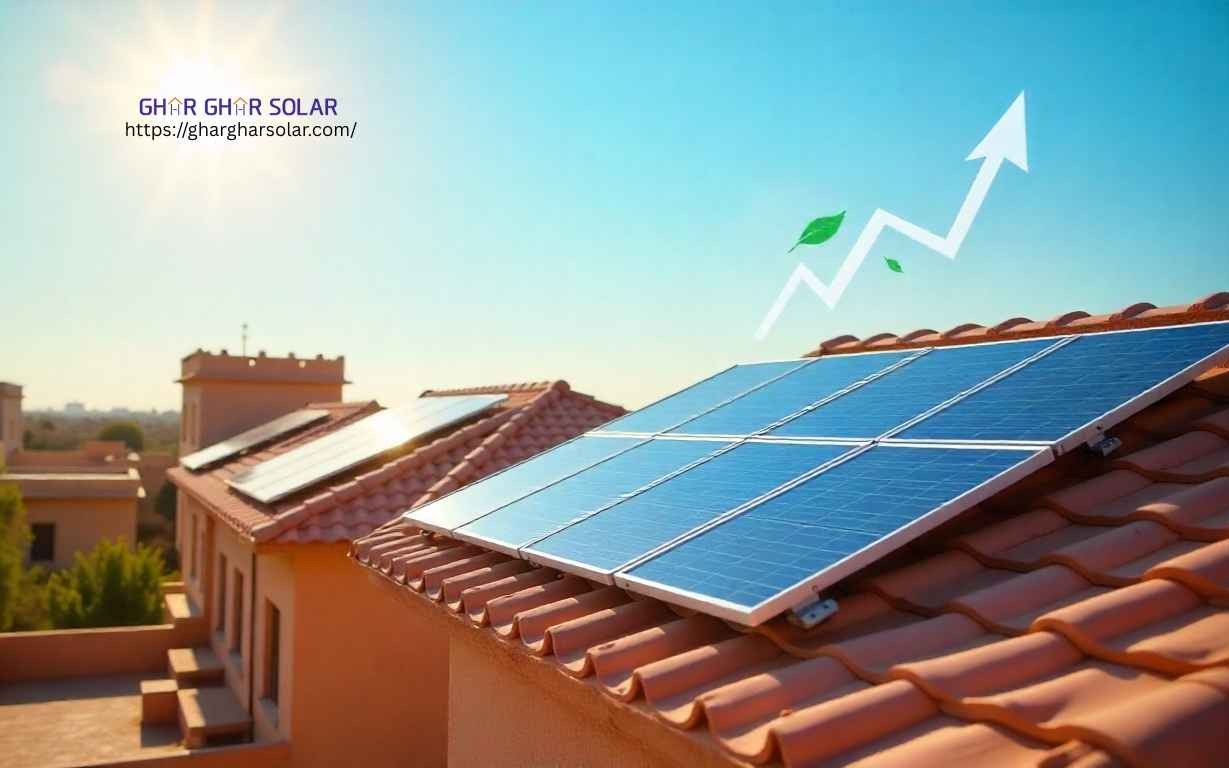
In a significant policy move aligned with strengthening its clean energy transition, power distribution companies (DISCOMs) in Rajasthan, among them Jaipur Vidyut Vitran Nigam Limited (JVVNL), have decided to increase the tariffs for the power surplus of rooftop solar systems. The revision is estimated to make the rooftop solar a fairly profitable venture for the common man and small scale businesses, thereby making it possible to have more capacity of renewable energy in the state.
According to the new changes, the tariff for surplus energy under net-metering has been raised from ₹2.71 to ₹3.26 per kWh, whereas, under net-billing, the rate has been increased from ₹3.04 to ₹3.65 per kWh. This change is an indication of Rajasthan to be a source of energy that is decentralized, demand-driven by consumers, and fast renewable energy adoption at the grassroots level.
Encouraging Solar Adoption
The increase in the tariff is a welcomed development at a time when India has re-adjusted its efforts on rooftop solar and has a target of 40 GW nationally. In fact, Rajasthan, blessed with an abundance of solar energy and less cloud cover throughout the year, is among the top states that can achieve the goal of solar energy generation.
The higher tariffs to be given to producers will make rooftop systems more financially viable, thereby allowing the consumers to be able to recoup their investments much earlier. The new rates now make it attractive for private homes, schools, and mini industries to go for the solar panels and hence becoming “prosumers” — both producers and consumers of electricity.
There is a considerable likelihood that the action will result in a large number of new installations and thus by drawing the old ones to consider the rooftop projects which in most states have not been able to grow at a pace that was anticipated because of low tariffs and initial costs.
Boost to Distributed Energy Generation
Unlike large-scale solar parks that feed power into the grid from far-off places, rooftop systems generate electricity close to where it is consumed. Because of that, there is a reduction in transmission losses as well as an increase in the efficiency and reliability of the grid.
Through its support for distributed generation, Rajasthan is augmenting its energy infrastructure as well as lessening the load on the central power plants. It is very likely that this tariff adjustment will contribute to such a large decentralization of energy production that it will become the main source of power in future, which is both eco-friendly and less vulnerable to sudden power cuts.
Additionally, thousands of tiny rooftop systems being connected to the state's energy network is in line with national objectives for a more flexible and climate-resilient power system.
Economic and Environmental Gains
Besides, the raised tariffs are projected to be a significant factor in bringing various benefits to the economy and the society. The quick speed at which rooftop installation projects will be carried out will create a high demand for solar panels, inverters, mounting structures, and electricians. Certainly, this will be converted into more jobs, the expansion of local production, and the rise of new business possibilities in the Rajasthan renewable energy value chain.
Individual consumers will gain from the same-saving money is not the only thing they can expect to happen. Producing and selling solar energy is not only a steady extra source of income, but it also brings about a reduction in electricity bills. In the long run, this monetary measure will contribute to making solar use a common practice in the middle-income community among which households are already prevalent.
Such a change, when viewed through a green lens, resonates well with the shared goals of India and Rajasthan to minimize man-made carbon emissions and use of fossil fuels. Thus, each additional rooftop becomes a milestone in the fight against global warming, in air purification, and in water conservation - water that would have been used in the customary generation of power by burning fuel.
Strengthening Rajasthan's Renewable Leadership
For quite a while, the state of Rajasthan has been considered a leader within the green energy sector in the Indian market and also a host to massive solar parks like Bhadla Solar Park - one of the largest in the entire planet. Nevertheless, while excellently approved, these large-scale projects have overshadowed the development of rooftop solar growth which has been slow due to low tariffs and lack of access to finance.
With the upward revision of tariff rates, the government is essentially bridging this gap by addressing it head-on. The new rates create a more balanced growth model that leaves room for distributed solar energy to get a stronger foothold alongside large projects. The decision by the state to implement this policy is an indication of its dedication to produce a cleaner, self-sustaining, and more varied energy ecosystem.
Conclusion
It is quite commendable for Rajasthan to increase rooftop solar tariffs as it is an intelligent decision which will positively impact the future by giving the consumers the power to make the choice whether to participate in the renewable energy revolution or not. The state is, therefore, making it possible for households to have rooftop solar systems more financially rewarding, and thus the stage is being set for energy to be adopted at a much faster pace, a greater degree of energy independence, and the ensuing increased community engagement in sustainability efforts.
The hike in tariffs is more than just changing the price, it is a clear message of intent. Rajasthan is not only determined to meet its solar potential through large-scale projects but also through citizen-driven clean energy generation. The more the households and businesses that adopt rooftop solar, the more Rajasthan will be the leader of India's decentralized energy revolution and the go-to example for others.