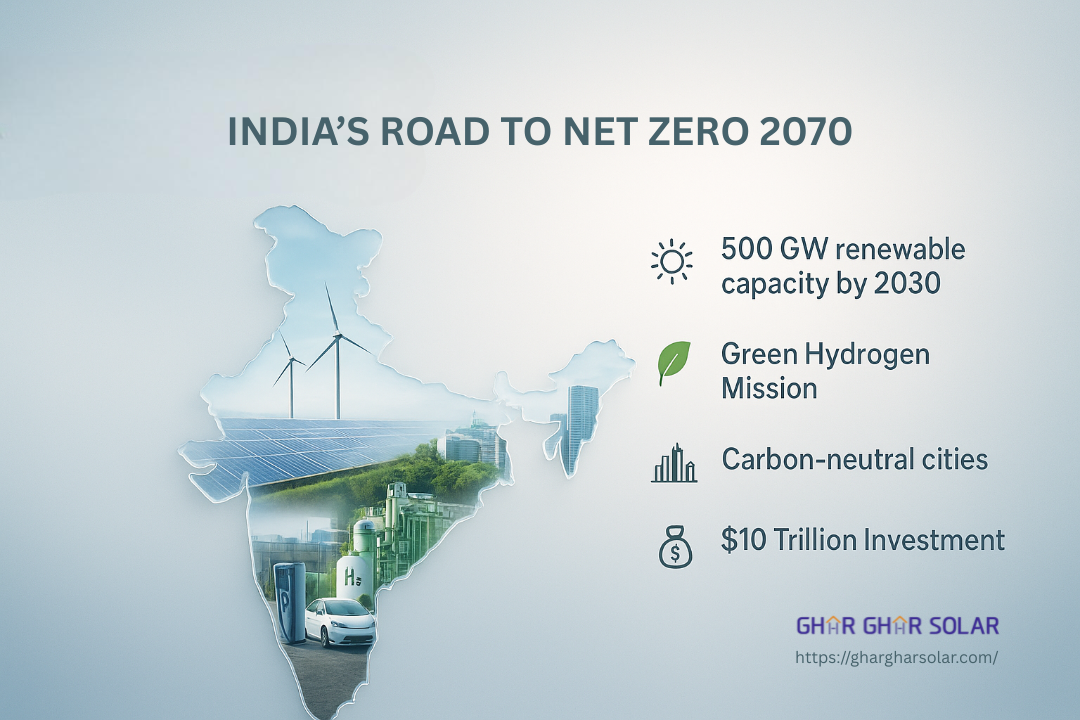
India is the third-largest greenhouse emission country in the world, but in this section beats the objective of net-zero emissions by 2070. This announcement at COP26 represents the interests that the country has both in terms of its development and contribution towards tackling climate change. To maintain continuity India has also pegged a number of interim 2030 targets, colloquially referred to as the Panchamitra plan. These are the construction of 500 GW of 2005 non-fossil electric capacity, supply of 50 percent of energy requirements by renewable means, a decrease of the forecasted emissions of 1 billion tonnes and a decrease of the carbon intensity of the economy by 45 percent relative to 2005.
Transition Across Sectors
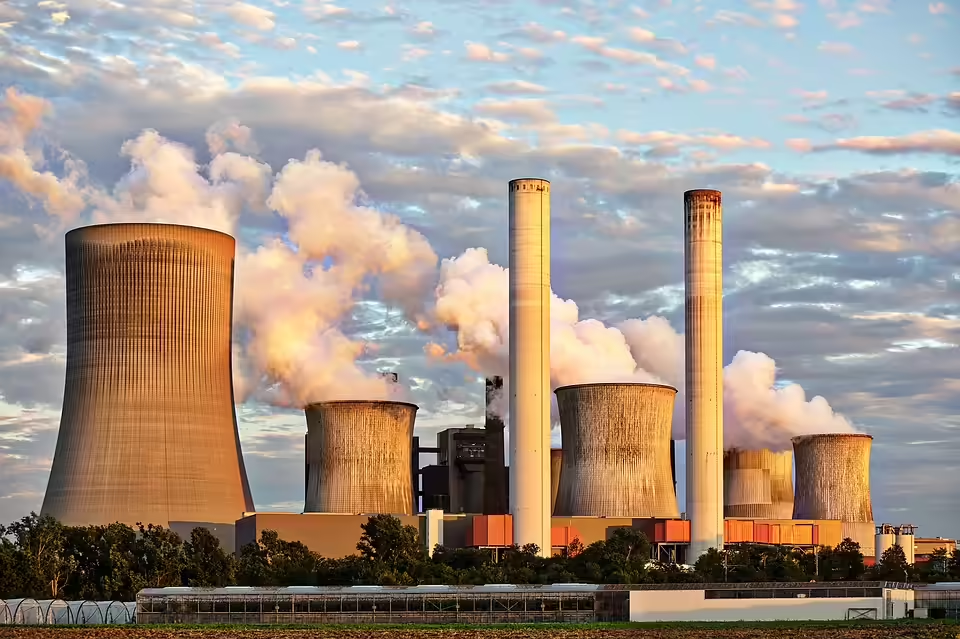
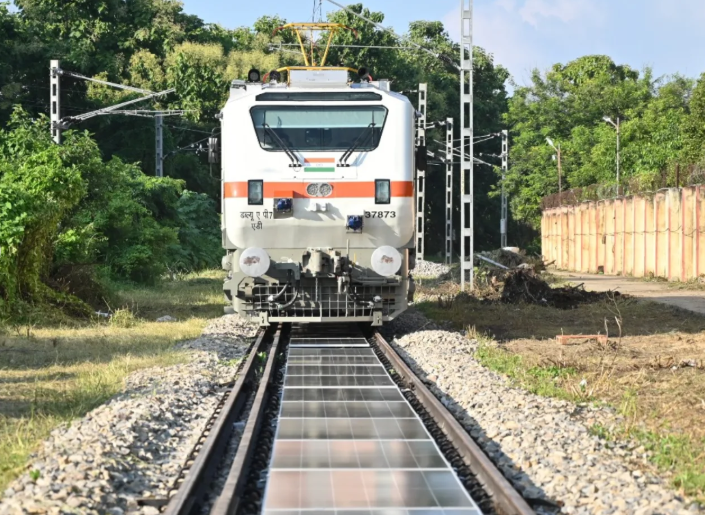
Reaching net-zero requires a complete transformation across India’s energy and economic systems. In the power sector, coal use is expected to peak by 2040 and decline almost entirely by 2060, replaced by massive expansions in solar (over 5,000 GW), wind, and nuclear power. Most passenger cars and freight trucks are electrified with the support of biofuels and hydrogen in transport. Industry will be converted to green hydrogen and renewable electricity, and the construction and building sector will become highly energy efficient using advanced design and materials.
Key Enablers
Various efforts are already preparing the works. The National Green Hydrogen Mission is focussed at making India a huge global supplier with the aim of capturing 10 percent of world demand before 2030. Initiatives such as PM- KUSUM and PM Surya Ghar Muft Bijli Yojana are increasing decentralised solar power among farmers and households. The cities including Mumbai have earlier carbon neutrality targets and developments like the Palava City are demonstrating the models of the net-zero in cities. Also, it is promoting sustainable practices in the country and among the industries through the Green Credit Programme in India.
Challenges on the Path
Although this is a positive step, it is uphill. To fund this transition, India will require $10 trillion of investment by 2070, or almost 200 billion a year. Major gaps still exist in the grid infrastructure, energy storage and regulatory clarity. The next mega issue is a fair transition—millions of livelihoods are now sustained through coal mining and the related industries and a transition policy is needed to re-enter the workers into other fields and diversify the economies around. Meanwhile, export oriented but carbon intensive products such as steel and cement may be hindered in the global markets by stricter global climate emission standards.
Conclusion
India net-zero journey should be a necessity and opportunity. Renewable expansion, green hydrogen, energy efficiency, and sustainable urbanization, are all tools India can use to reset its growth trajectory, all the while contributing to the overall climate objectives of the world. The result will be determined by adventurous policies, extensive and big investments, fair transitional strategies. Decisions in the following 20 years will decide what happens to Indian 2070 vision.