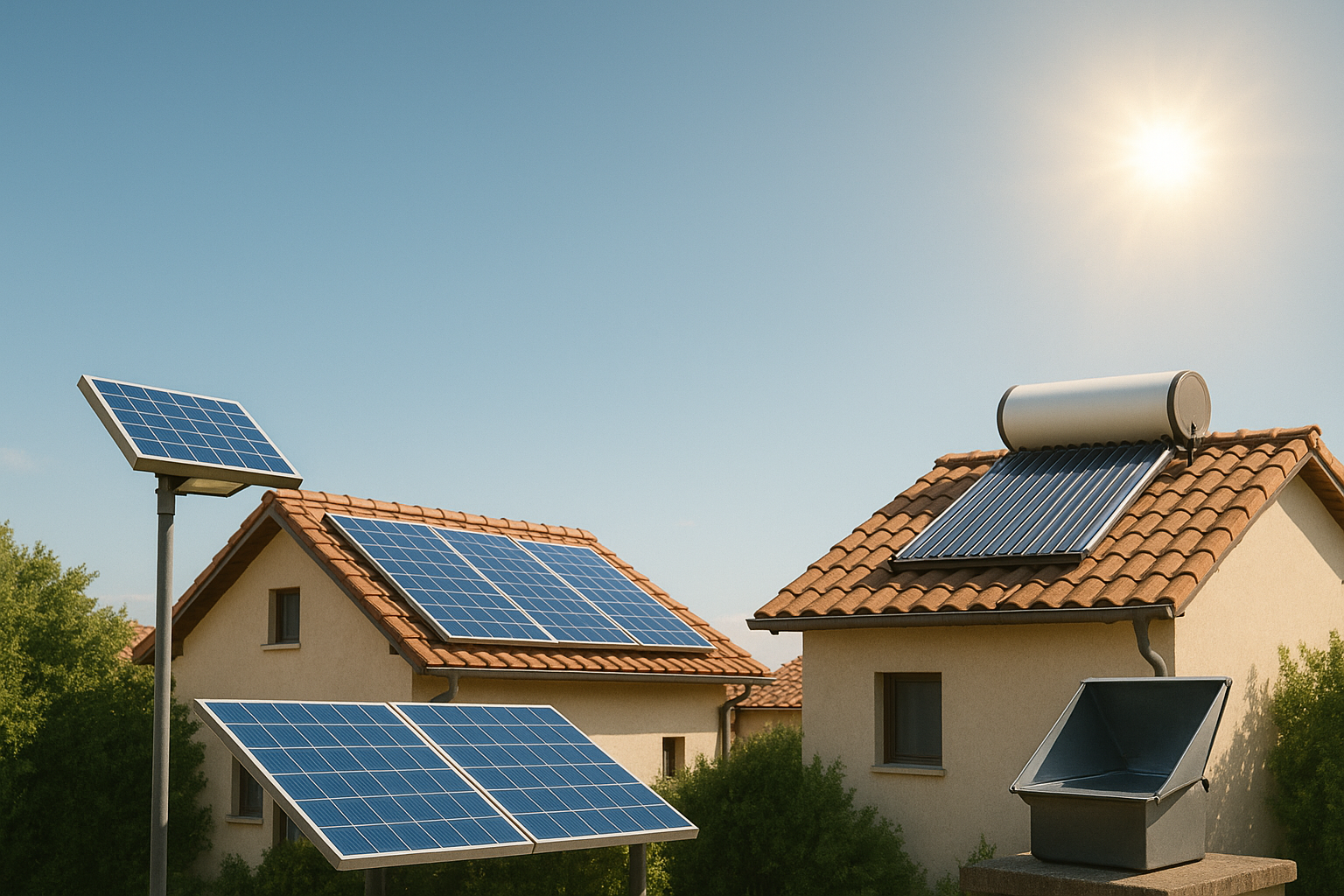
Gujarat whoppingly increased the solar power generation by 50 percent in the financial year 2024-25. Based on the data tabled in the Parliament by Ministry of New and Renewable Energy, the state has increased its solar electricity generation, which was 1,346,891 MUs (FY-24) to 2,021,948 MUs (FY-25). Such a meteoric rise almost doubled solar generation in the state over the last two years adding to a quick shift to clean energy.
Why Gujarat Is Leading the Charge
A number of strategic driving forces are behind this upwards trend:
- Healthy Policy Structures: The Renewable Energy Policy in Gujarat incorporates decentralization with respect to rooftop solar as well as large-scale solar parks. The versatility in design and incentivization of the projects has encouraged collaborations within the industry and at the community level.
- Rooftop Solar Use: Gujarat leads the nation as part of the Modi-led PM Surya Ghar Muft Bijli Yojana, with more than 3.36 lakh rooftop solar systems being installed by mid-May 2025, with almost 1,232 MW of clean power. This has allowed the state to generate 1,834 million units of power; halve 1,284 metric tonnes of coal and avert 1,504 metric tonnes of CO₂ emissions.
- Strategic land utilization: Invasive chunks of lands in areas like Kutch, Banaskantha and Patan are being utilized as solar parks. Low tariffs and availability of lots of land led industries to invest in captive solar plants to achieve their sustainability targets.
- Infrastructure Investment: In the realization of the need to have a strong grid, Gujarat is investing ₹29,000 crores into its Green Energy Corridor-III. This infrastructure will deliver 16,500MW of renewable power through new substations and thousands of kilometers of new transmission lines and enhance regional connectivity and grid resilience.
The Implications of It to India
- A Leader on the National Scene: Gujarat is currently the second leading Indian state in the generation of total solar power, behind Rajasthan.
- An Action Plan to Power Renewable Growth: The proactive combination of friendly policy, civic capacity, and popular involvement sheerly demonstrates that not just has the state committed to achieving its renewable energy targets well in advance of its schedule, but also that such involvement can enhance the efforts of India to achieve a non-fossil base of 500 GW by 2030.
- Environment Impact: There is immediate environmental payoff – less coal consumption and carbon emissions – and indication of the wider benefits of solar power take up among states.
- Economic Opportunity: The solar industry of Gujarat is not only ecological but it is also economic in nature. Whether it is rooftop installers, grid operators, industries who are constructing captive solar plants and transmission, the renewable boom is catalyzing the creation of regional employment and the growth of markets.
Gujarat’s 50% increase in solar output is more than just a number – it’s a benchmark for what can be achieved when the right policy, planning and people combine around clean energy. As India heads towards its RE targets, Gujarat is a shining example of leadership, innovation, results.